When Bertelsmann Investments (BI) presented its 2025 business results in March, the company also announced the launch of a new fund. BI has further expanded its commitment to emerging technologies: At the initiative of BI CEO Carsten Coesfeld, the new venture-capital fund Futurepresent was created to invest specifically in the next generation of technology companies – with a clear focus on artificial intelligence.
Alongside Bertelsmann Asia Investments (BAI), Bertelsmann India Investments (BII), and Bertelsmann Healthcare Investments (BHI), Futurepresent is part of BI’s global venture-capital organization and focuses on investments in Europe and the US. The goal is to secure early access to technological developments that are reshaping entire industries – while also generating valuable insights for Bertelsmann’s existing businesses.
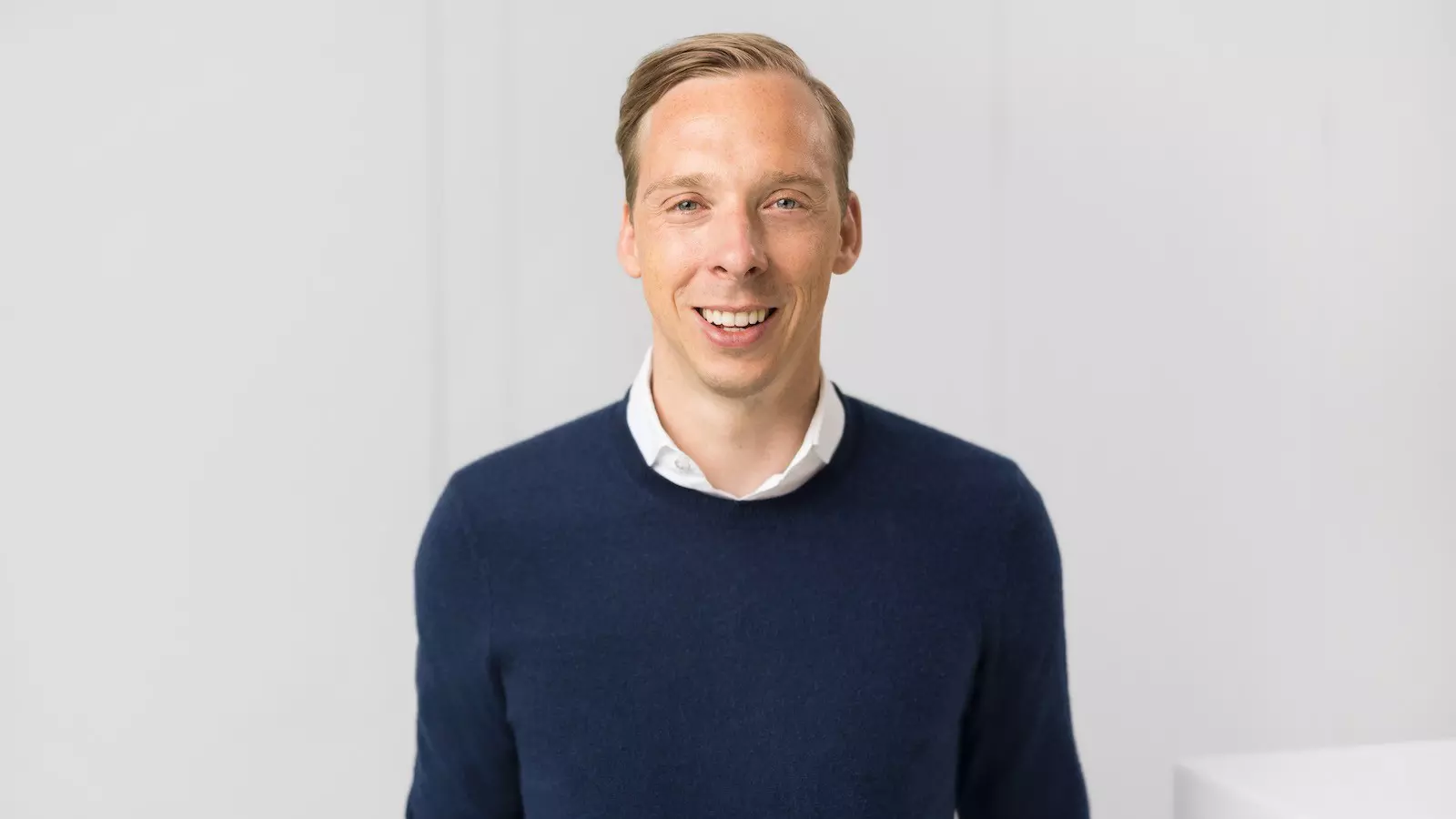
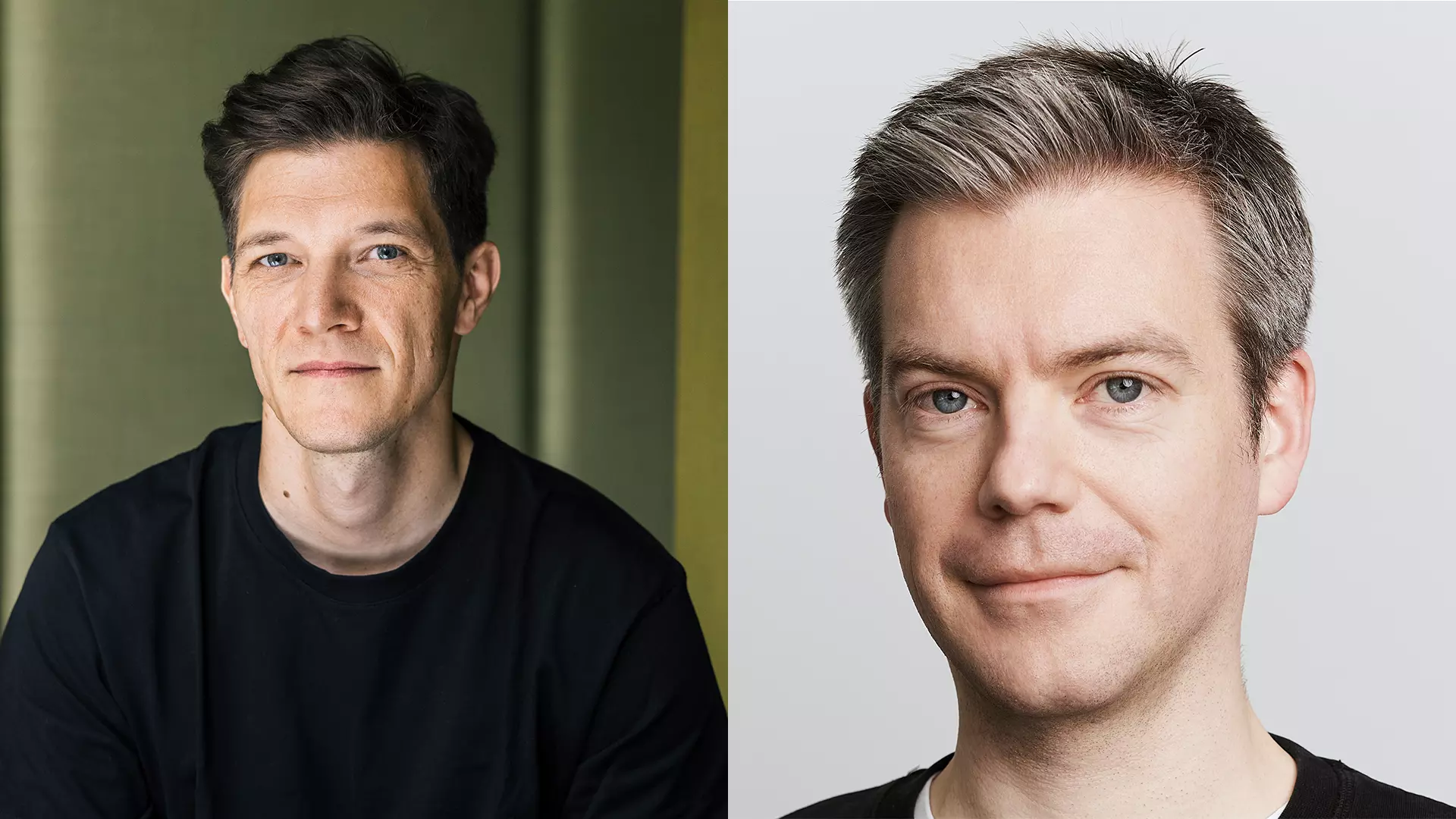
Futurepresent is led by Thomas Lueke, Managing Partner and experienced technology investor, together with Jan Rettel, Partner at the fund. Alongside their team, they are building a focused transatlantic investment strategy that works closely with founding teams and strengthens BI’s position in the AI innovation ecosystem. In this interview, Thomas Lueke and Jan Rettel discuss the strategic vision behind Futurepresent, how the fund operates in practice, and why now is the right time to invest in the next generation of technology.
Thomas, what is the strategic vision behind Futurepresent?
Thomas Lueke:With Futurepresent, we are building an ambitious VC fund that invests in the most promising founders and the most exciting areas of technology in the US and Europe. Our goal is to work alongside the market’s leading investors as genuine partners. We are currently seeing a period of profound technological change. The advances in AI are so fundamental that entire industries are being redefined. Futurepresent ensures that Bertelsmann Investments is strategically positioned to benefit from these developments – while also generating valuable insights into how they could shape existing businesses.
Jan, what does that look like in practice?
Jan Rettel: We work very closely with founders. In general, we invest at two different stages. First, right at the founding stage, when a company often consists of little more than the founding team and an idea. Second, during the growth phase, where we invest more selectively and make significantly larger investments in a smaller number of companies. In our first year, we already invested in 14 teams across the US and Europe. While our clear focus is AI, we are also selectively investing in areas like fintech.
Thomas, why is the transatlantic angle so important for Futurepresent?
Thomas Lueke:Our most important task is to work with the best founders and stay close to where the most important breakthroughs are happening. Right now, a huge amount of innovation is happening around the major AI labs in the US, and naturally many exciting startups are emerging in that environment as well. At the same time, Europe offers strong industrial applications and highly ambitious founders, many of whom establish themselves directly in the US or expand there quickly in order to build for a global market. With Futurepresent, we can offer a transatlantic platform that helps founders think globally and scale internationally – while also strengthening exchange between the two ecosystems.
Jan, can you share an example from the portfolio?
Jan Rettel: A good example is General Intuition – a spin-off from Medal TV, one of the world’s largest social networks for gaming video highlights. General Intuition is building on that foundation by using its unique gameplay data to develop a leading model in the field of physical AI – what many see as the next major step beyond language models, with potential applications including autonomous robotics solutions. Medal TV was originally founded as a European company, but with the launch of General Intuition it evolved into a transatlantic organization. Customers, investors, and the team are now increasingly based in the US. We invested together with renowned US partners such as Khosla Ventures and General Catalyst. Especially in later stages, we often work with strong co-investors, including in follow-on financing rounds for our earliest investments.
Thomas, what investment sectors is Futurepresent prioritizing right now?
Thomas Lueke:Fundamentally, we are a sector-agnostic fund, although AI is currently – and will likely remain for some time – the central theme across all industries. So far, there are three areas we’re especially excited by. First, “Physical AI,” meaning the use of AI in the real world, for example to automate physical processes. Second, “Applied AI” in complex industries, where AI has the potential to fundamentally reshape entire markets and their operating structures. And third, infrastructure – the technological foundation needed to enable the next generation of AI.
Jan, what’s your approach to working with founders?
Jan Rettel: We see ourselves as long-term partners. In practice, that means spending a great deal of time with the teams, moving quickly, and staying highly focused in how we support companies. Because we intentionally operate as a small team, we can work very closely with companies and support them individually – whether around strategy, growth, or introductions to the right networks.
Thomas, where does Futurepresent fit within the broader BI setup?
Thomas Lueke:BI already has a broad investment platform, while Futurepresent focuses specifically on AI and the next generation of technology. At the same time, we operate within a closely connected ecosystem across the various BI units and beyond. Access to operating businesses within the Bertelsmann network strengthens our due diligence and supports the business development of our current and potential investments. At the same time, we share what we’re learning about emerging technologies across the organization, creating momentum for existing businesses and additional initiatives, including at Bertelsmann Next.
Jan, what are the next steps for Futurepresent?
Jan Rettel: We will continue to expand the portfolio and selectively build new partnerships. At the same time, our ambition remains unchanged: to be the best possible partner to founders and work together to build sustainable global technology companies.