Skip navigation

Environment & Climate

Environmental and climate protection are integral components of Bertelsmann’s corporate responsibility. The company develops future-proof business models and consistently pursues its 2030 climate target. To this end, Bertelsmann focuses, for example, on expanding the generation and use of renewable energy, increasing the energy efficiency of buildings, data centers, and its vehicle fleet, using climate-friendly paper in printed products, and reducing greenhouse gas emissions in TV and film productions.

Single tree positioned between green meadow and cracked dry soil illustrating climate change contrast.

Climate Change

Bertelsmann aims to reduce its greenhouse gas emissions by 50 percent by 2030 compared to the base year 2018, thereby supporting the goals of the Paris Climate Agreement. Measures to avoid and reduce greenhouse gas emissions not only decrease Bertelsmann’s environmental impact but also mitigate potential market and regulatory risks. In addition, as part of its risk management approach, Bertelsmann considers the impacts of global warming and takes early action to protect its employees and assets.

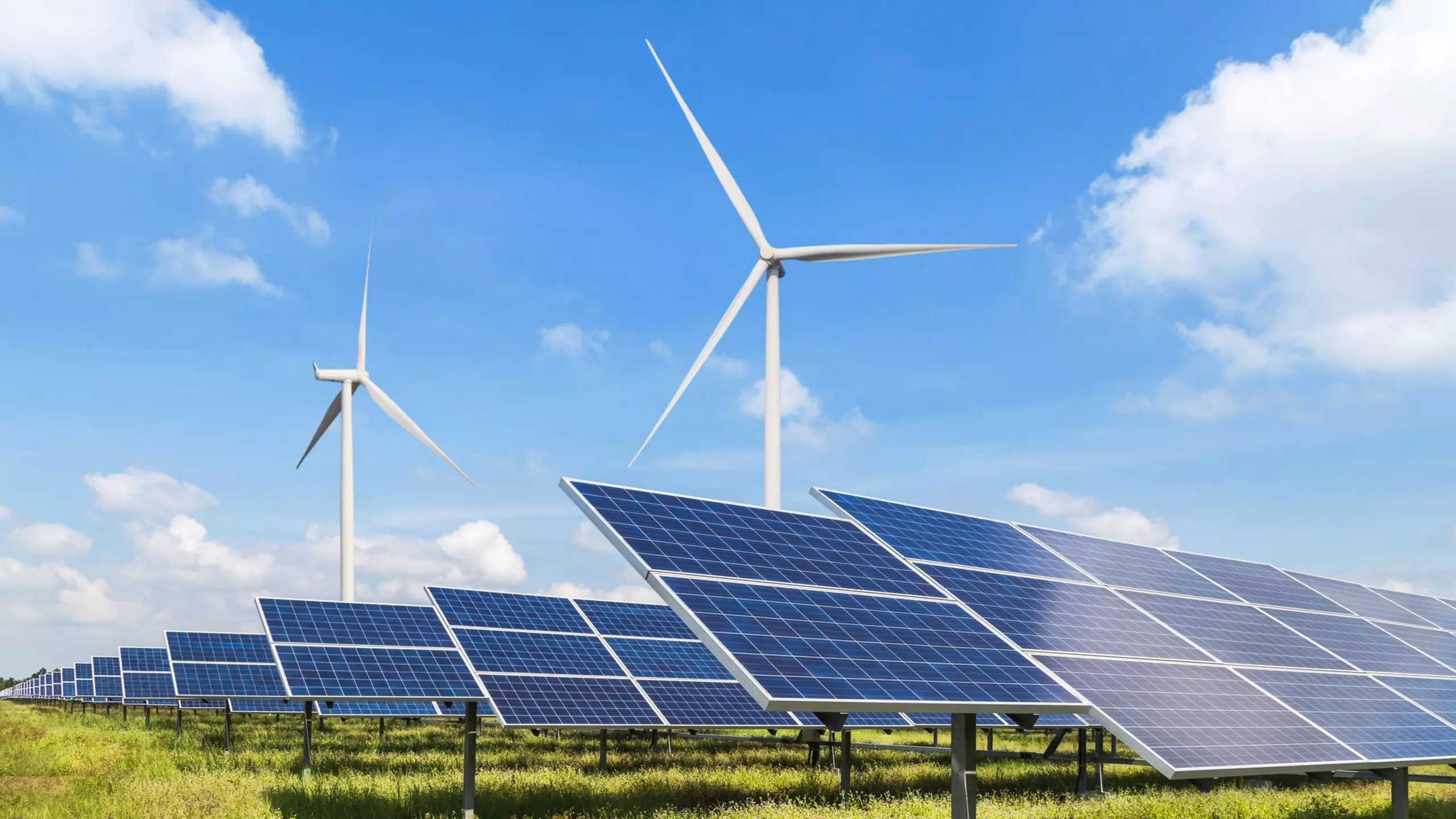
Solar panels and wind turbines on green field under clear sky representing renewable energy.

Energy Efficiency and Renewable Energy

Bertelsmann reduces greenhouse gas emissions through energy conservation, efficiency improvements, and the expansion of renewable energy. The company refrains from using solid fossil fuels, requires major sites to procure renewable electricity, and supplements this with its own photovoltaic systems. Efficiency is further enhanced through modern technologies, systematic energy management, and environmentally conscious behavior by employees.

Green recycling symbol made of arrows and plants placed on wooden surface against blurred greenery.

Resource Efficiency and Circular Economy

Bertelsmann uses natural resources responsibly and takes environmental aspects into account in procurement and production, including renewable energy, energy efficiency, and the consumption of materials and water. In paper sourcing, the company prioritizes recycled fibers and sustainably managed forests to avoid negative impacts on biodiversity and ecosystems. In addition, Bertelsmann promotes the circular economy through the use of renewable raw materials, recycling-oriented product design, and waste reduction.

Our Partnerships and Networks

Through dialogue with organizations and initiatives that share our values and objectives, we gain new perspectives and strengthen our commitment to responsible entrepreneurship.

Contact

Portrait Mark Fabisch

Mark Fabisch

Head of Environment and Safety