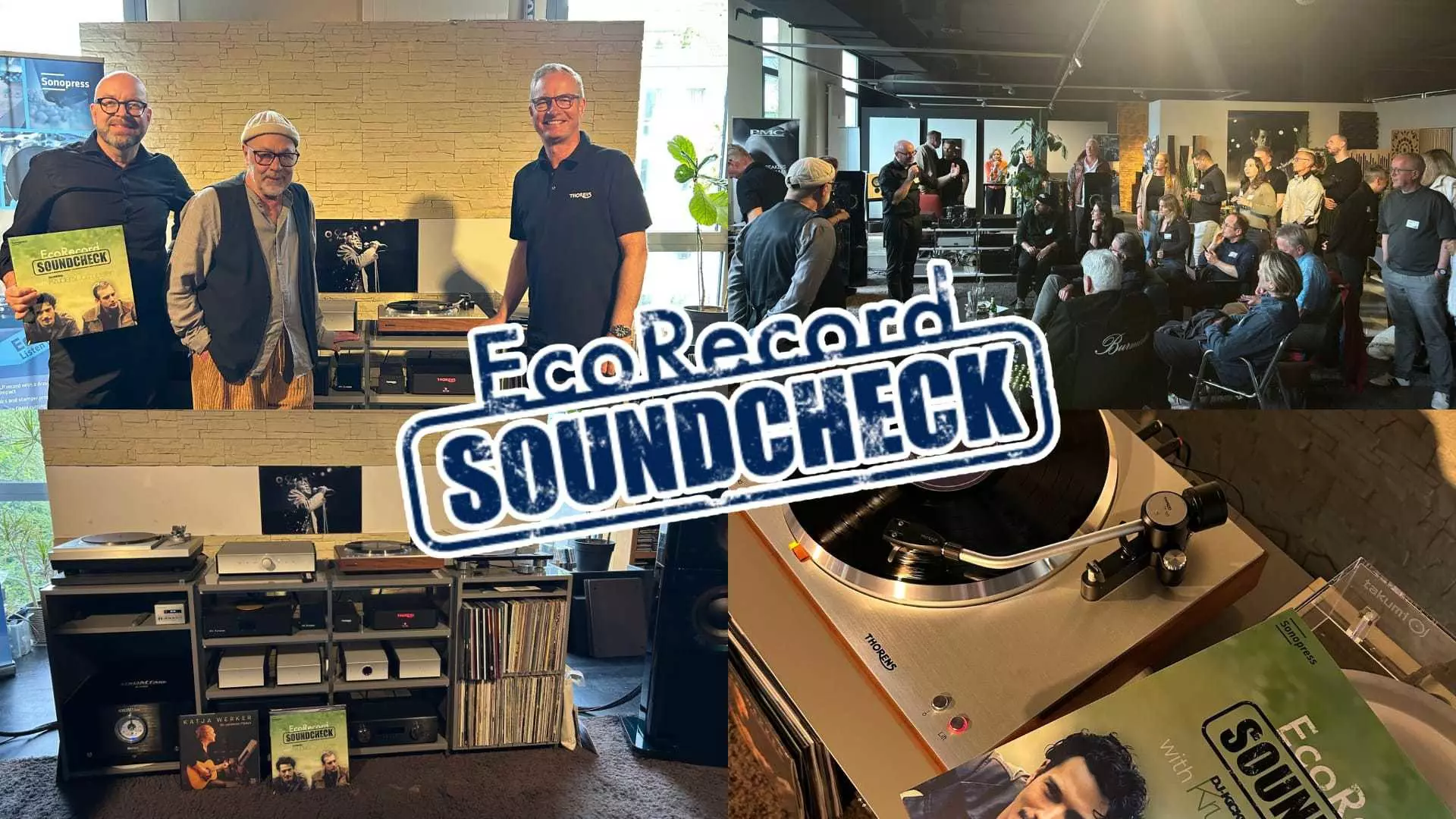
The topic of "sustainable packaging materials" was the focus of a specialist event held at Sonopress, a Bertelsmann Marketing Services company, in Gütersloh on November 25. The event was hosted by the Gütersloh District Economic Development Agency, Pro Wirtschaft GT, and Food Processing Initiative e. V., which called for an exchange on the future of bio-based and recyclable materials as part of the European Regional Development Fund (ERDF) project "Circle Quality OWL plus." Numerous experts, companies, and regional partners accepted the invitation and took the opportunity to learn about new regulatory requirements and technological developments at an early stage.
Sonopress was the perfect host for the event: the company has been positioning itself as a driver of sustainable material and production solutions for years. Its subsidiary Topac already produces bio-based packaging, demonstrating that innovative, sustainable alternatives have long been ready for the market.
"A decisive turning point for the industry"
A key focus of the event was the European Union's Packaging and Packaging Waste Regulation (PPWR), which will come into force in August next year. The new regulation will fundamentally change the use of materials in packaging. The mandatory use of recycled content, stricter requirements for reusability, and clear sustainability criteria will present companies with new challenges in the future. While the topic of recycled materials is already well established in many industries, the potential of bio-based materials is less well known. The event, which featured various expert presentations from the fields of research and application, therefore provided an important overview of current developments and future applications.
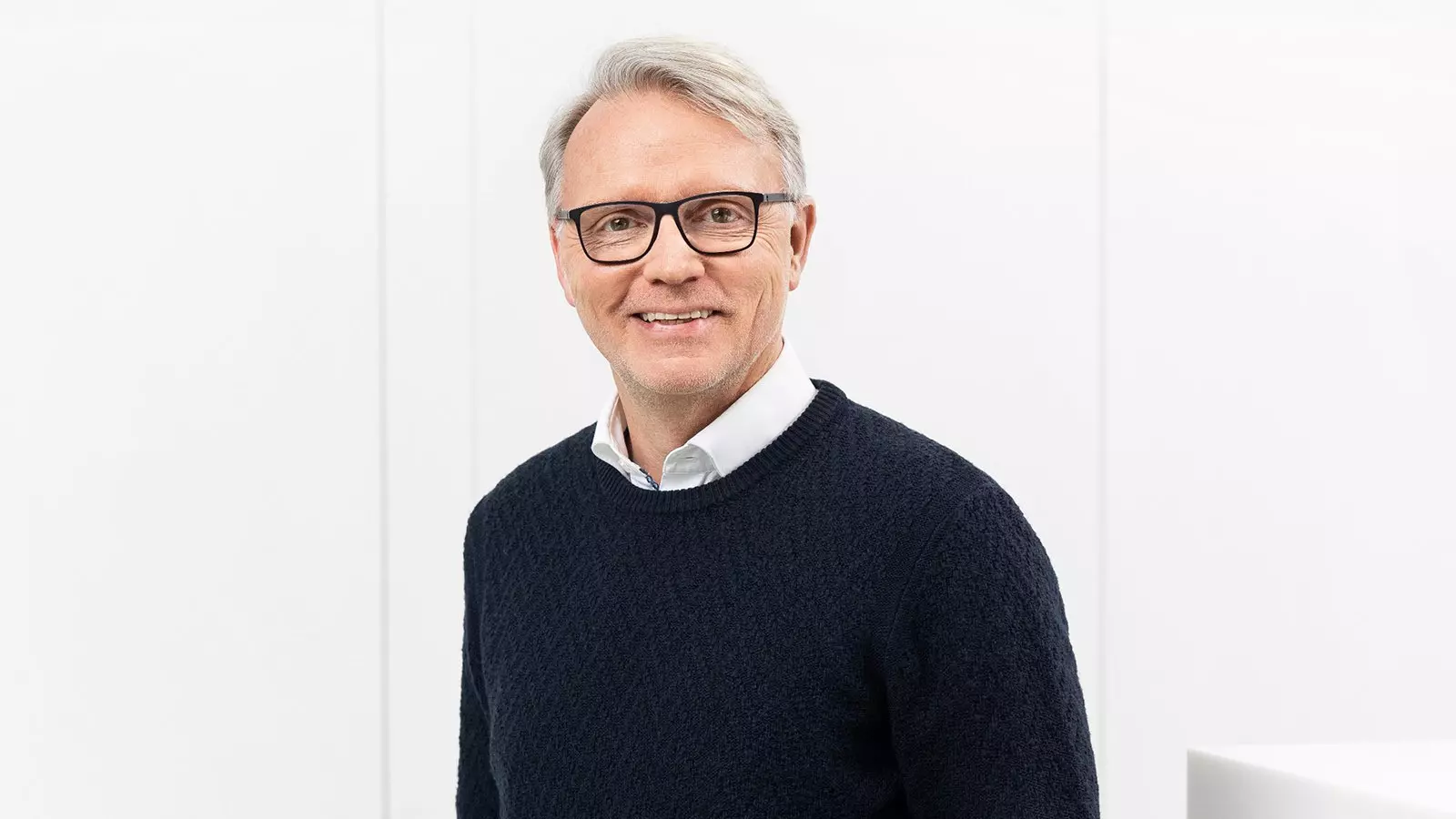
From the perspective of Sven Deutschmann, CEO of Sonopress, the exchange with regional networks is particularly valuable: "The PPWR marks a decisive turning point for our industry. Sustainable packaging materials are not only becoming relevant from a regulatory perspective, but also crucial for economic competitiveness. Events like this show how much innovative power we can pool in OWL – and how important the exchange between research, industry, and regional partners is."